
Setting the Stage

At my live “Gifts from Spirit” events, I truly offer something unusual: I bring gifts. Over the years of doing this work, I’ve come to understand that an angel helps me do what I do, and this angel helps me with this process. I go for a drive about ten days before each event, and ask for what gifts to bring. I get several groups of gifts, and I always offer them up in the order I get them.
I love this, and I love what I do. Spirit always has a way of helping and acknowledging the helpers, the teachers, therapists, mothers. Once I dive in, and once I’m through with my introduction, there’s a rhythm to the night that people may not even consciously notice, but it is always there. Before I ever get to the physical gifts, before the laughter settles into that familiar hum of recognition, there is almost always someone who comes through first.
I call them the opener.

If you have ever been to a concert, you know what an opener is. It is the band that comes on stage before the main act. They warm up the room, they shift the energy. They tune the crowd to the right frequency so that when the headliner finally steps out under the lights, everyone is ready. The opener is not secondary, but essential. They prepare the space.
Spirit does the same thing.
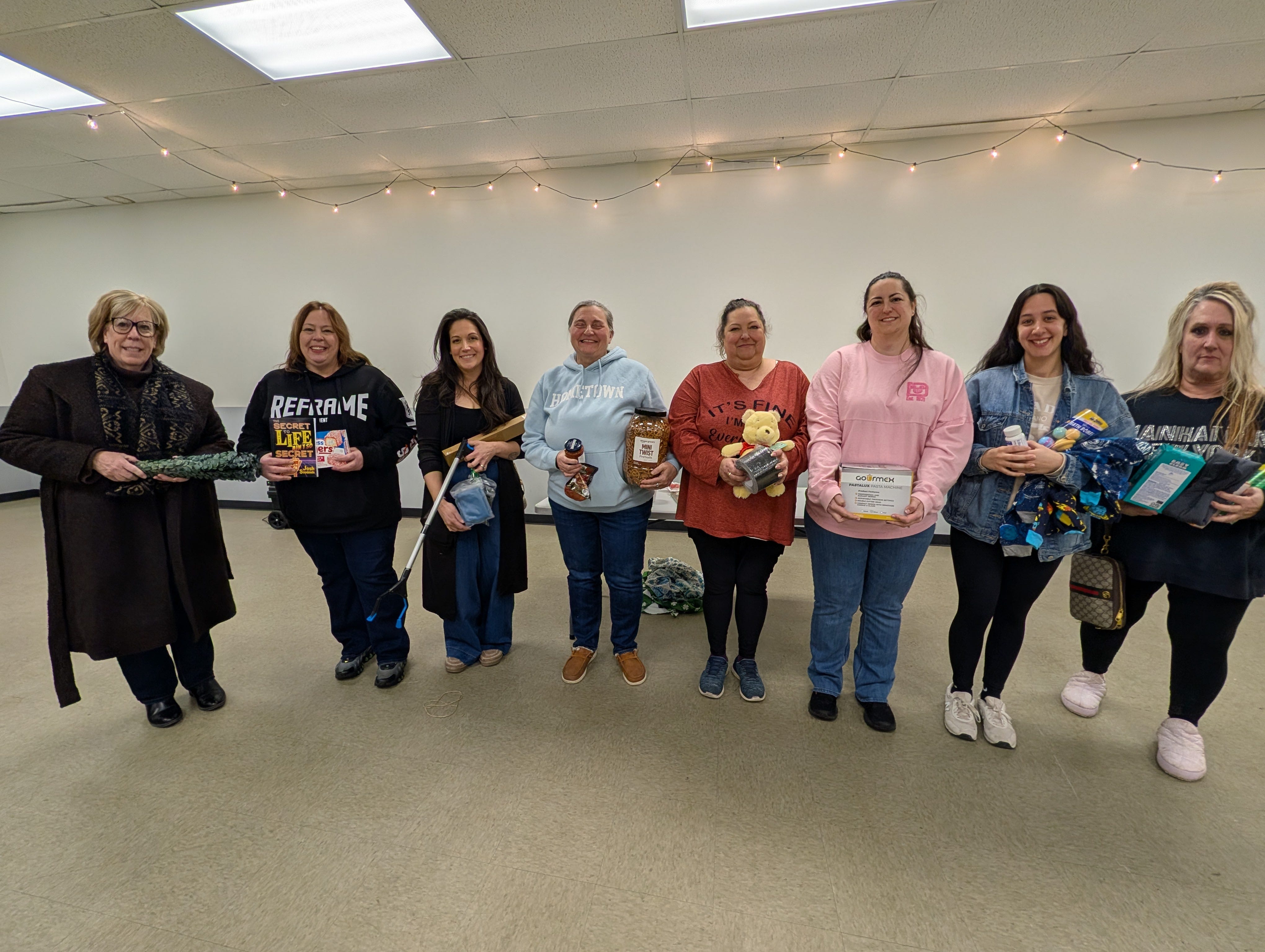
In Franklin, Connecticut, where I was just this past Friday, the opener was a father who was aware at the end of his life, but his daughter didn’t know that. He had been folded into himself at the end of his life, showing me his body hunched over, his belly distended and painful, his head bent down in a way that felt both physical and symbolic.
He showed me assisted living, hospital rooms, indignity, drooling, teeth that hurt, and the kind of vulnerability that strips a person of their pride. He showed me a daughter who was not naturally confrontational, raising her voice because something was wrong and she could feel it.
He’d been with me all day and showed me those pink chocolate snowballs, covered in coconut. I tried to find them with a quick trip to the grocery store, but as I was standing in the snack aisle, I saw a box of pink “Zingers,” coconut-covered chocolate twinkie-like snacks that felt good as a replacement. I brought this person up to the audience, and finally, his daughter raised her hand and spoke up.

He also showed me a sister, and he did not hold back his opinion.
What was happening beneath all the details he showed me, beneath the coconut snowballs and the pink boxes and the Pine Sol and the black-and-white photographs, was something far more important. This woman had been walking around believing she had failed her father, absorbing the judgment of someone who did not show up, and allowing that judgment to become her inner narrator. She was carrying guilt that did not belong to her.
He came through first because that needed to be addressed before anything else could happen.
He was not interested in rehashing family drama for entertainment. He was not interested in shaming anyone. He was interested in freeing his daughter from a story that was keeping her in pain. He was adamant that she stop giving her energy to someone who continually wounded her, and he was equally adamant that she understand he knew exactly how much she had done for him.
He even came through, telling her not to get anything for her sister for Christmas - although she had this past year. I asked her this, and she confirmed; she’d gotten her sister a present, even though the year was tight for her. A month later, her sister told her she wished she were dead.
Her father told his daughter, the one standing with me in front of this audience, not to waste her time or money, that the sister was hopelessly caught up in a story of hatred and bitterness. Sadly, there was no hope for her.
But there was hope for her, and he wanted her to find it.
There is a moment in almost every show when I have to say something that people do not expect to hear from a medium. If we want our loved ones in spirit to rest in peace, we have to live in peace. They are not hovering over you, wishing you had tried harder. They are not siding with the loudest sibling. They see the whole picture now, and they want us unburdened and at peace.
That night in Franklin felt like watching a woman unlock her own prison cell door. The opener did his job. He tuned the room to truth. Only after that could the rest of the evening unfold the way it was meant to.
Providence carried a different weight.
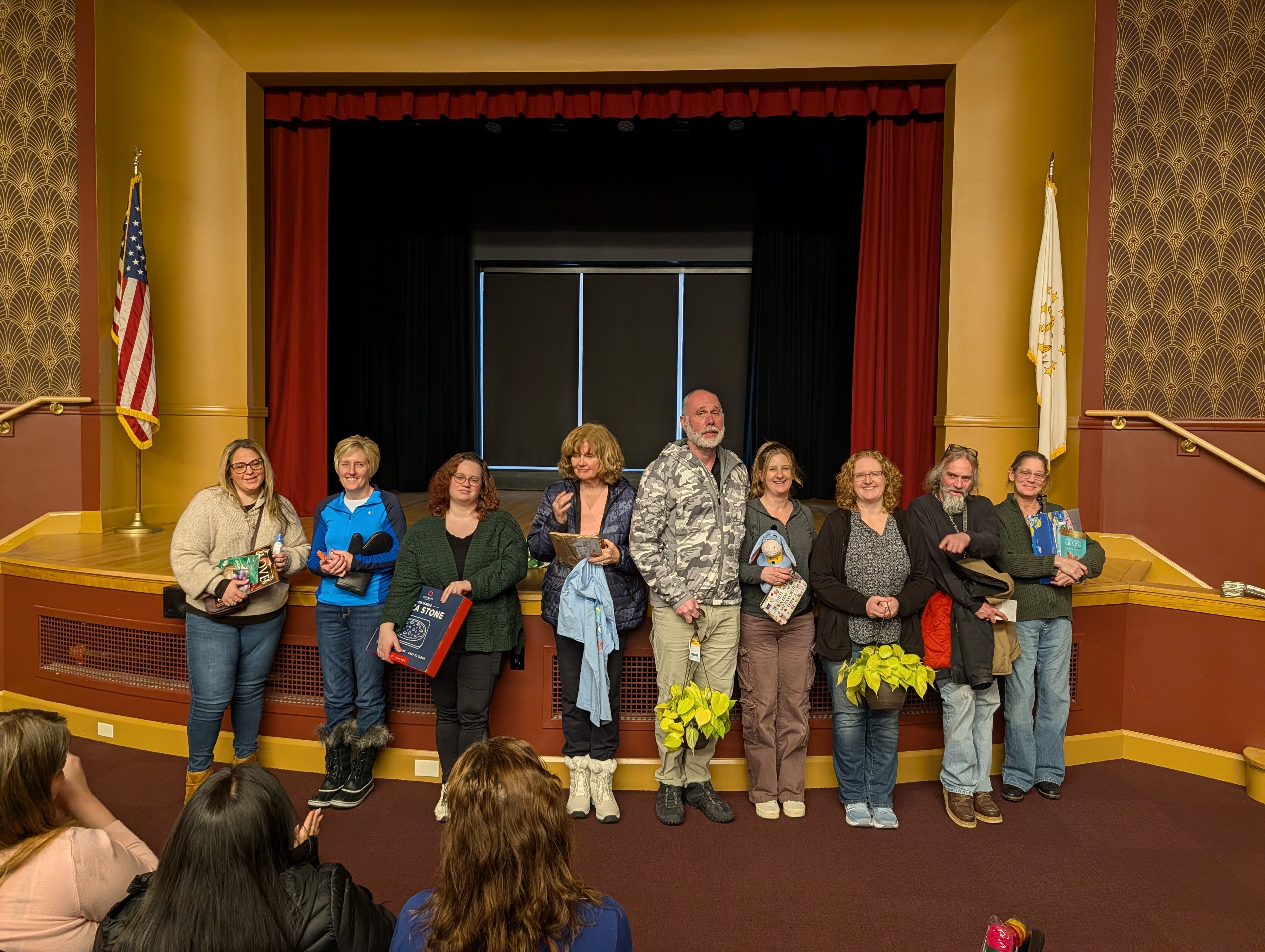
There, the opener was an older man who showed me a priest’s collar, his symbol for being Catholic, and oxygen tubing in his nose. He showed me terror, not of physical pain but of eternal punishment. He had been raised in a religion where God kept score, and he was convinced that when he slipped from this world into the next, he would be met with fire and damnation. He thought he had sinned in a way that disqualified him from love.
Someone in that room had held his hand while he was dying and told him that he was loved, that he would be welcomed, that he was not going to be cast out.
He came through to say that she was right.
What moved me most was not the religious talk, but the humanity of it. Here was a man who had seen what he believed were miracles in life, who had served in his own way, who had carried secrets he was afraid to speak aloud, and at the end of his life, the thing that frightened him most was not death itself but divine rejection. He had internalized a story that made him feel unacceptable.
He came through first because that story needed to be corrected in front of everyone.
He wanted the room to know that the fear had been taught, all by people who wanted to control him and people like him, that it had been used for manipulation, that the afterlife is not structured around punishing people for who they are. If there is anything that resembles hell, it is the honest reckoning we all face with the ways we have hurt others, and even that is about understanding and growth rather than endless torment.
He also wanted something beautifully ordinary. He wanted the family traditions to continue. He wanted Easter and the food and the rhythms that make a home feel like a home to keep going. He wanted love to outlive fear, and he needed his family to know how much they gave to him while he was alive.
When I look back at these two nights, what strikes me is how different the personalities were and how similar the purpose was. One father came in fierce, calling out toxicity and demanding boundaries for his daughter. One older man came in trembling, confessing how scared he had been and asking us to let go of the myth of damnation. Both of them were doing the work of an opener.
They set the stage, and they shifted the atmosphere.
They came to remind us all that we don’t need to be stuck in a quagmire of grief and pain, that we must rewrite the narratives that have kept us bound, whether those narratives were handed to us by a sibling or by a priest.
Only after that tuning happens do we move into the gifts, the photos, the laughter, the details that make everyone smile and nod, recognizing their person in the evidence. The openers make that possible. They clear the ground, and they steady the room. They welcome us into something more profound than we could ever imagine.
Perhaps that’s the greatest gift of all.